
Understanding the psychology that drives gambling behavior in casinos
The Thrill of Uncertainty
The allure of gambling lies significantly in the thrill of uncertainty. When individuals step into a casino, they are often drawn by the excitement of not knowing the outcome of their bets. This unpredictability triggers the brain’s reward system, releasing dopamine, which enhances feelings of pleasure and anticipation. Each spin of the slot machine or roll of the dice can be a potential moment of triumph, creating a psychological high that can become addictive. Many opt to explore online casinos where this thrill can be accessed from the comfort of their homes, catering to a wide audience.
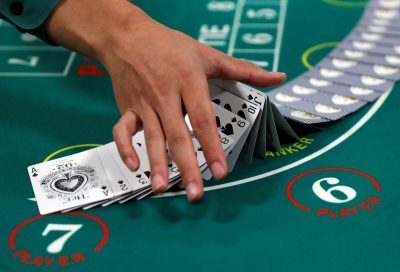
This uncertainty is further amplified by the concept of near-misses. A player might lose a bet but come close to winning, which can provoke a sense of hope and encourage further play. Research shows that these near-miss experiences can make individuals feel that success is imminent, often leading to prolonged gambling sessions. Thus, the cycle of risk and reward perpetuates itself, as players chase that exhilarating moment of victory.
Social Influence and Environment
The environment of a casino is meticulously designed to promote social interaction and competition. People are often encouraged to gamble in groups, which can foster a sense of community and shared excitement. When individuals observe others winning, it can evoke feelings of envy and motivation to keep playing. This social reinforcement can significantly impact gambling behavior, as players are more likely to engage when they see others enjoying the rewards of chance.
Moreover, the design of casinos—complete with bright lights, engaging sounds, and plush seating—creates an immersive experience that can heighten emotional responses. This carefully crafted atmosphere not only attracts players but also keeps them engaged for longer periods. The combination of social dynamics and an inviting environment contributes to the psychological drive behind gambling behavior.
The Role of Cognitive Biases
Cognitive biases play a critical role in how gamblers interpret their experiences in casinos. One prevalent bias is the illusion of control, where players believe they can influence the outcome of random events, such as dice rolls or card draws. This misconception can lead to overconfidence and an increased likelihood of continued play, despite the inherent randomness of these activities.
Additionally, confirmation bias leads players to remember their wins and overlook their losses. This selective memory reinforces the belief that they have a higher chance of winning than they actually do, which can create a dangerous cycle of gambling. By understanding these biases, individuals can better recognize the psychological traps that may lead them to gamble more than they intended.
Addiction and Escapism
For some individuals, gambling serves as a form of escapism, providing a temporary reprieve from daily stressors. The casino environment offers an exhilarating distraction, allowing players to forget their problems, even if only for a short while. This desire to escape reality can lead to compulsive gambling behavior, as individuals seek the thrill of the game as a coping mechanism.
The potential for gambling addiction is real and can have devastating consequences. Behavioral patterns often escalate, with individuals betting more money than they can afford to lose, leading to financial difficulties and strained relationships. Understanding the psychological factors contributing to gambling addiction is crucial for both individuals seeking help and those looking to support loved ones in their journey toward recovery.

Exploring Further Insights
For those interested in delving deeper into the psychology of gambling and its effects, numerous resources are available. Understanding these dynamics not only enhances awareness of personal gambling behaviors but also provides tools for making more informed decisions. Whether someone is a casual player or grappling with compulsive gambling, knowledge is a powerful ally in navigating this complex landscape.
Utilizing expert insights, individuals can learn about responsible gambling practices and the importance of setting limits. Engaging with reputable platforms dedicated to providing information on gambling behavior can further equip players with the necessary skills to manage their gaming experiences effectively. Education remains a vital step toward healthier gambling habits and overall well-being.